
Massachusetts grants tax relief to thousands of home care workers, offering a modest boost in a strained workforce
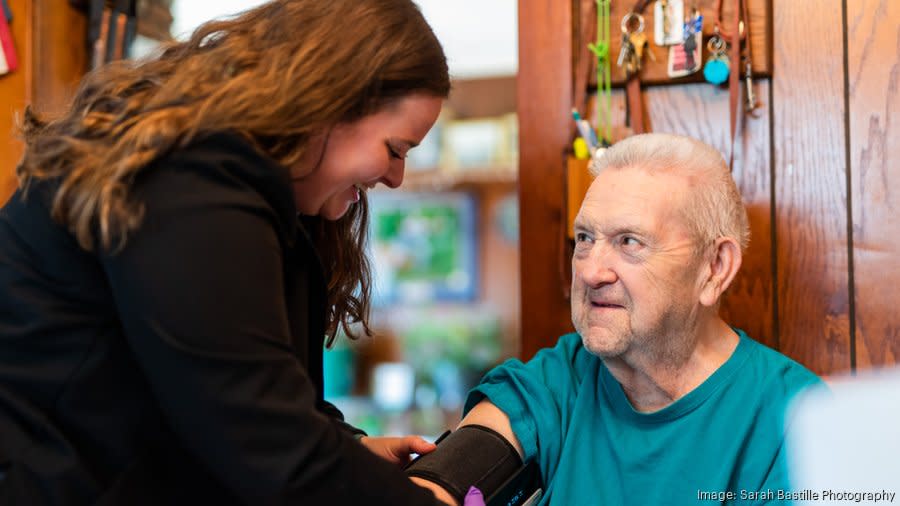
Massachusetts grants tax relief to thousands of home care workers, offering a modest boost in a strained workforce
New IRS exemption could boost take-home pay for thousands of MassHealth-funded aides
Thousands of home health aides in Massachusetts will soon see more of their paychecks stay in their pockets — a small but meaningful shift as the state continues to grapple with deep workforce shortages in home-based care.
The Healey administration announced this week that many live-in personal care attendants paid through MassHealth will no longer be required to pay state or federal income taxes on their earnings. The change, enabled through an existing federal tax rule and a new IRS determination requested by the state, is expected to affect roughly 18,000 workers, according to the administration.
For a workforce that plays a central role in helping older adults and people with disabilities remain at home — and out of institutional care — the move is being welcomed as long overdue.
“These are essential workers who make independent living possible,” said Bill Henning, executive director of the Boston Center for Independent Living. “They’re not highly paid, and the cost of living in Massachusetts is extremely high. Anything that increases take-home pay helps.”
More than 50,000 Massachusetts residents with disabilities rely on personal care attendants, funded through MassHealth. Under current contracts, many attendants earn between $20 and $25 an hour. While many already pay relatively little in income taxes, state officials estimate that some workers could save more than $5,000 a year under the exemption.
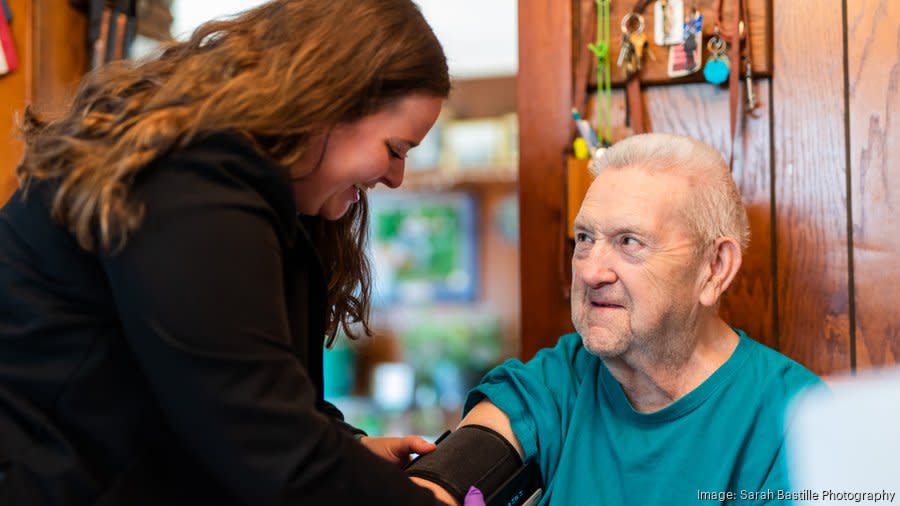
For workers like Janice Guzman of Worcester, who provides full-time care for her mother through the MassHealth program, the change could ease daily financial pressure.
“Even just gas money or food when I’m out running errands or going to appointments — it adds up,” Guzman said. “This could make a real difference.”
The timing is notable.
Home care providers across Massachusetts have reported persistent shortages of aides, particularly for live-in and high-acuity roles. Demand for home-based services continues to grow as the population ages, while the labor pool has tightened due to rising living costs, competition from other sectors, and increased immigration enforcement.
Advocates say the tax exemption won’t solve those challenges on its own — but it may help make caregiving jobs more sustainable.
“Anything that makes the work more attractive is important,” Henning said. “This is vital, skilled work, and it deserves to be supported.”
Under the new policy, eligible personal care attendants will be able to claim the exemption when they file their 2025 taxes, receiving refunds for income taxes already withheld this year.
For home care employers, the change does not alter MassHealth reimbursement rates or wage structures, but it effectively increases workers’ net pay — a rare bright spot in a sector where financial relief is often hard to find.
State officials say they will continue to share guidance as the filing process approaches. For many caregivers — and the employers who rely on them — the policy represents a quiet but meaningful acknowledgment of work that has long been essential and often undervalued.